This post contains affiliate links. As an Amazon Associate I earn from qualifying purchases.
Getting kids to eat their vegetables at breakfast feels impossible—until you try this approach. I’ve watched countless parents transform their mornings by serving carrot cake oats instead of the same old cereal or toast. This recipe sneaks real grated carrots, warm spices, and natural sweetness into a bowl that tastes like dessert for breakfast. When my niece refused carrots in every other form, one spoonful of these oats changed everything. Now she asks for them by name. If you’re navigating the picky eater minefield, this recipe is your secret weapon. And if you need more kid-friendly breakfast inspiration afterward, check out my Almond Baked Oats Recipe for another winner your family will devour.
Carrot Cake Oats Recipe: The Whole Family Will Actually Eat (Picky Eaters Included)
I remember sitting at my kitchen counter on a Tuesday morning, watching my seven-year-old push scrambled eggs around her plate. She’d eaten exactly three bites in ten minutes. That same week, I was experimenting with warm spice combinations for a catering event, and I had this wild idea: what if I combined those cozy cake spices with oatmeal and shredded carrots?
I made a small batch, added a splash of vanilla, and set a bowl in front of her with zero fanfare. No “this is good for you” speech. No pressure. Just a warm, fragrant bowl that smelled like cinnamon rolls. She took a spoonful. Then another. Then she asked if there was more. That moment taught me something I’ve held onto ever since: when you honor both nutrition and flavor, kids don’t have to choose between them. They get both.
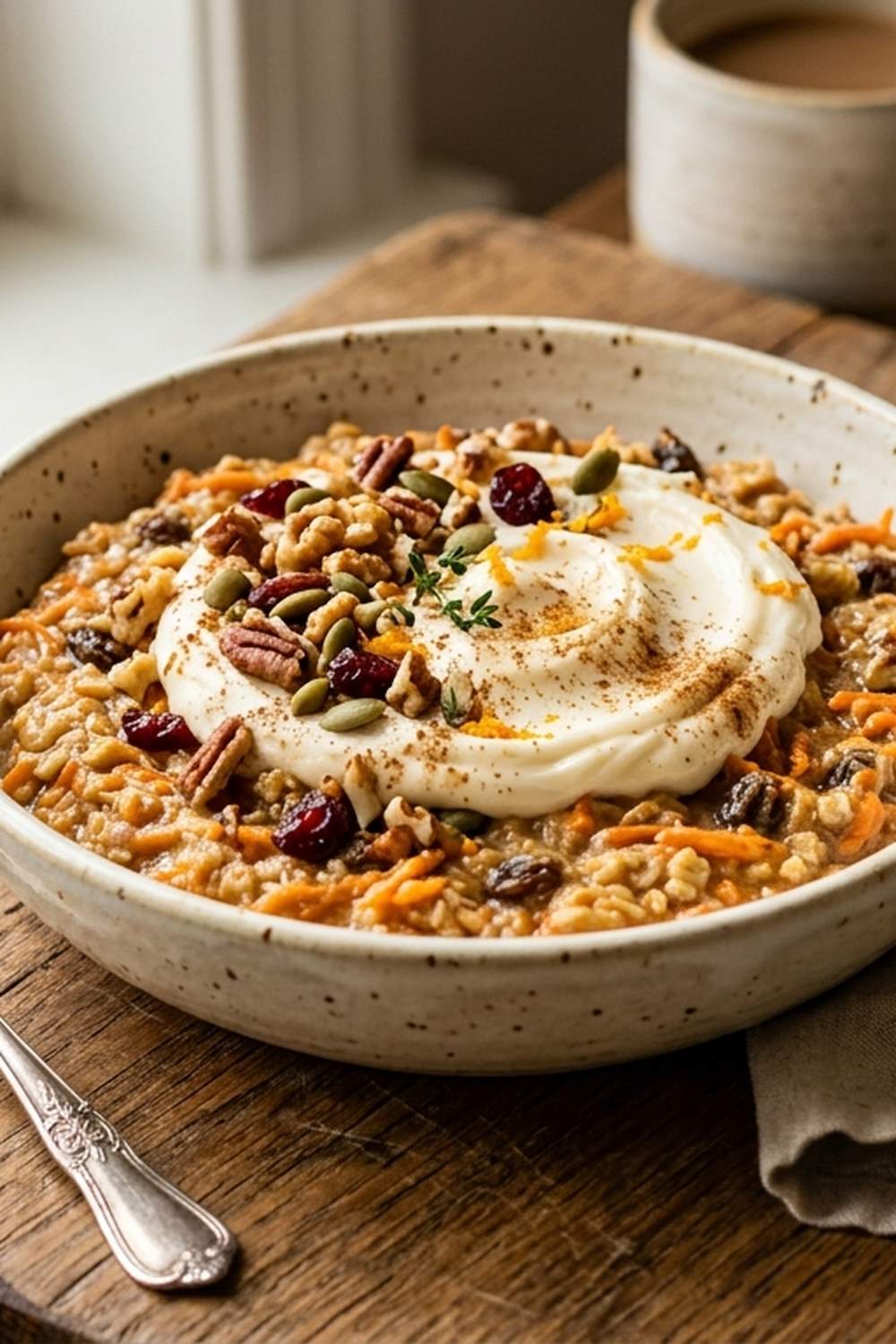
Why Kids Love This Version
This recipe works because it speaks the language kids actually understand: comfort, sweetness, and fun textures. There’s nothing “virtuous” or lecture-y about it. It tastes like a treat, feels warm and cozy, and comes together in minutes. From a nutritionist’s perspective, I’m thrilled because those grated carrots deliver beta-carotene, fiber, and natural sugars. From a chef’s perspective, I’m obsessed because the cinnamon-allspice-vanilla trio creates a flavor profile that’s genuinely crave-worthy. But here’s what matters most: kids don’t care about any of that. They just know they love it.
- The sweetness feels like a treat, not a trick – Raisins, crushed pineapple, and brown sugar deliver genuine flavor without you needing to sneak anything. Kids taste the good stuff, so they’re on board from the first bite.
- Soft, creamy textures beat crunchy vegetables every time – The carrots cook down until they’re tender and almost invisible. No raw veggie crunch that triggers the gag reflex. The oats become silky and comforting, which picky eaters find way less intimidating than chunky granola.
- They can see (and taste) the mix-ins – Walnuts and raisins are visible, which actually builds trust with cautious eaters. No hidden agendas. Just good stuff right there in the bowl.
How to Get Kids Involved in Making This
The best part about this recipe isn’t just eating it—it’s making it together. When kids have a hand in creating breakfast, suddenly they’re invested in actually eating it. Here’s how to scale the involvement by age:
- Ages 3-5: Grating and measuring helper – Let them watch (safely from a distance) as you grate carrots. Hand them a measuring cup and let them scoop the oats into the bowl. Little hands love pouring liquids into the pot with your hands guiding theirs. This is where they build confidence and familiarity with the ingredients.
- Ages 6-9: Assistant chef with real tasks – They can grate carrots with a box grater (supervise hand placement). Let them measure out the raisins, vanilla, spices, and brown sugar. Have them stir the pot frequently once the oats are in. This age group loves being given “real” cooking responsibility, and stirring makes them feel like pros.
- Ages 10+: Lead cook with guidance – They can handle the entire cooking process with you nearby. They measure, they grate, they manage the heat, they taste and adjust seasonings. This is where cooking becomes less about you doing it for them and more about them learning a skill they’ll carry forever.
The Ingredients – Hidden Nutrition, Visible Deliciousness
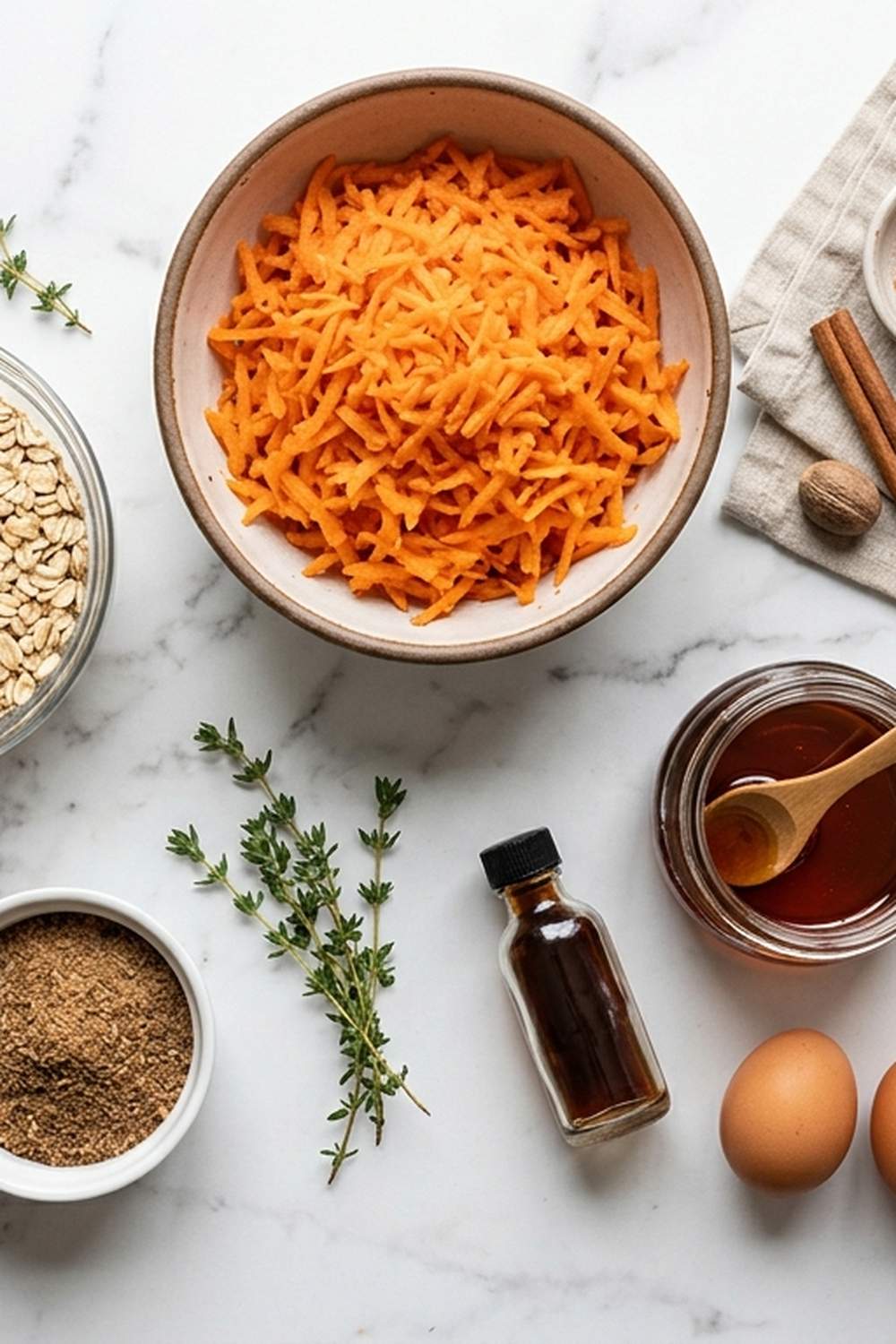
Here’s what I love about these ingredients: nothing here is obscure or hard to find. Everything lives in your regular grocery store. Better yet, these aren’t ingredients that scream “health food” to skeptical kids. They taste delicious because they ARE delicious. The shredded carrots melt into the oats, the warm spices create that irresistible cake-like flavor, and the fruit adds natural sweetness without any processed sugar crash. From a nutritional standpoint, you’re delivering fiber, complex carbs, healthy fats from the walnuts, and a full spectrum of vitamins from the carrots and fruit.
- ½ cup carrots (finely grated, about one medium carrot—grating is easier than you think, and yes, kids can do it with supervision)
- ¼ teaspoon salt (this isn’t much, but it balances the sweetness and makes every flavor pop)
- 2 tablespoons brown sugar (or honey as a swap—honey dissolves faster, brown sugar has more texture)
- ½ cup old-fashioned rolled oats (the kind in the cardboard container, not instant packets)
- 2 teaspoons pure vanilla extract (not imitation—the flavor difference is real)
- 1 cup water (filtered or tap, depending on your preference)
- ¼ cup walnuts (chopped, plus extra for serving)
- ⅓ cup raisins (or golden raisins if your kids prefer them—same nutrition, slightly different taste)
- 1½ teaspoons ground cinnamon (reduce to 1 teaspoon if your family prefers less spice intensity)
- ¼ cup crushed pineapple (canned in juice works perfectly, drain before adding)
- ½ cup milk (dairy or non-dairy—oat milk creates the creamiest texture, almond milk is lighter)
- ½ teaspoon allspice (this is the secret ingredient—it adds depth without tasting like individual spices)
Makes: 2 generous servings or 3 smaller servings
How to Make Carrot Cake Oats Recipe for the Whole Family
This is less about following steps and more about understanding what’s happening in your pot. When you know WHY each step matters, you can adjust on the fly. Maybe your carrots are thicker and need an extra minute. Maybe your kids want it thinner or thicker. This isn’t a rigid formula—it’s a flexible foundation. Let’s make this together, and let your kids see exactly what’s going on at each stage.
Step 1: Start the Carrots in Simmering Water
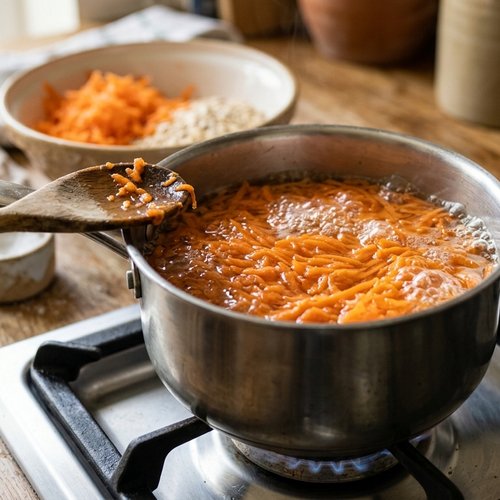
Pour 1 cup of water into a small saucepan and add your finely grated carrots along with ¼ teaspoon of salt. Turn the heat to medium-high and bring everything to a simmer. This usually takes 2-3 minutes. Why do we cook the carrots first? Because raw grated carrots have a tough, slightly bitter edge. When they simmer in water, they soften completely and become sweet. This is also where your kids learn that cooking changes the way food tastes and feels—a crucial concept for expanding their palate. If kids are helping, they can watch from a safe distance and call out when they see bubbles forming.
Step 2: Add the Oats and Warm Spices
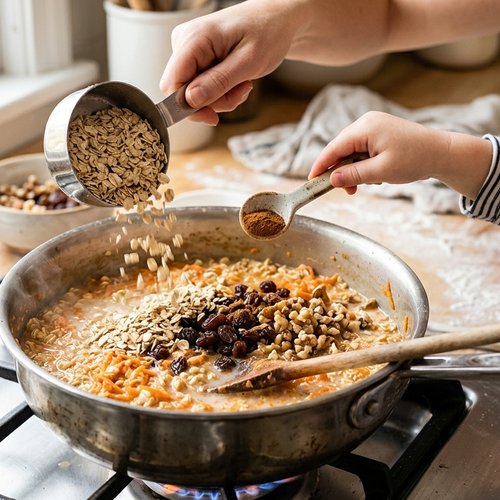
Once your water is simmering gently, reduce the heat to medium. Now add your ½ cup of oats, ⅓ cup of raisins, 1½ teaspoons of cinnamon, ½ teaspoon of allspice, 2 teaspoons of vanilla extract, ¼ cup of chopped walnuts, and ¼ cup of drained crushed pineapple. Let kids pour and measure each ingredient while you supervise. This is the sensory moment—they smell the cinnamon, see the raisins plump up, taste a walnut piece. They’re already invested because they built this bowl. Stir everything together thoroughly so the oats distribute evenly and nothing sticks to the bottom.
Step 3: Simmer and Stir Frequently
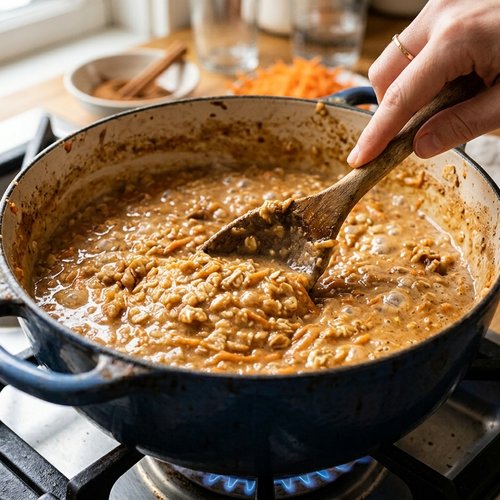
Keep the heat at medium and let everything simmer for 3-4 minutes, stirring frequently. Frequent stirring is non-negotiable here—it prevents sticking and keeps everything creamy. This is the perfect job for a school-age helper: they get to stir, feel the oats thickening under their spoon, and watch the transformation happen. The mixture will go from wet and loose to thick and cohesive. You’ll notice the carrots are now completely soft and almost invisible, woven into the oats. The spice aroma should be filling your kitchen by now.
Step 4: Build the Creamy Finish
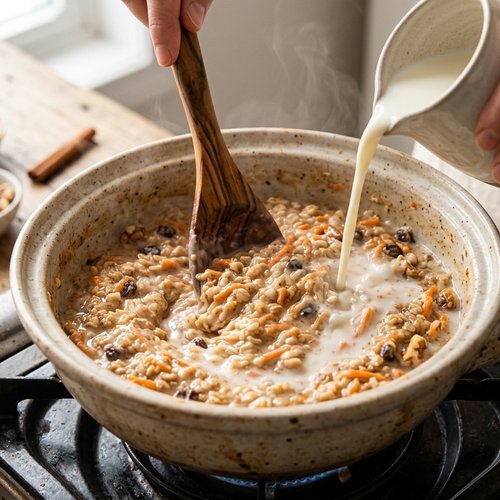
Once your oats are mostly cooked, stir in 2 tablespoons of brown sugar and ½ cup of milk (dairy or your preferred non-dairy option). Stir constantly as the milk incorporates. This is where the magic happens. The milk transforms the oats from thick and chunky into something silky and luxurious. The brown sugar melts and sweetens without being cloyingly sugary. Simmer for another 1-2 minutes to heat the milk through completely.
Step 5: Serve and Top
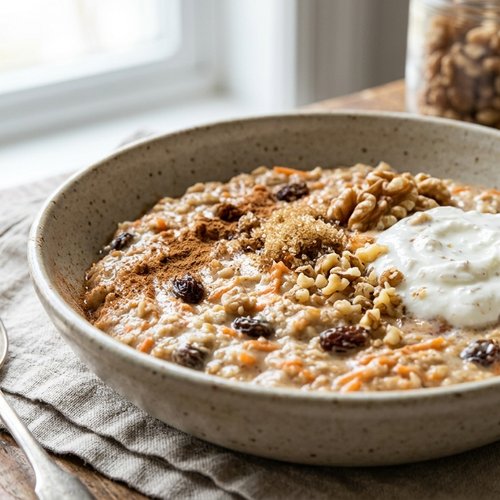
Pour your oats into bowls while they’re still warm. Top with extra chopped walnuts, a sprinkle of cinnamon, a touch more brown sugar if you’re feeling indulgent, and a small dollop of yogurt (Greek or regular). The yogurt adds a slight tang that balances the sweetness perfectly. Let everything cool for just a minute—oats retain heat for a while, and you want it warm and comfy, not mouth-scorching.
Expert’s Nutritional Tip: The Power of Cooked Carrots
Here’s something most people don’t realize: cooking carrots actually increases their bioavailability. When you grate and simmer carrots, your body absorbs the beta-carotene (which becomes vitamin A) more effectively than you would from raw carrots. The heat breaks down the cell walls, making the nutrients more accessible. That’s not me being pedantic—that’s real nutrition science that makes this bowl more nourishing than you might expect. Add a fat source like walnuts or milk, and you’ve just created the perfect environment for fat-soluble vitamin absorption. One bowl of this delivers meaningful micronutrients without tasting like you’re forcing nutrition down anyone’s throat.
Customization Station: Let Everyone Build Their Own
Here’s a game-changer for picky eaters: let them customize. When kids have control over what goes into their bowl, they’re dramatically more likely to actually eat it. Make the base oats once, then set out small bowls with options. Every person at your table builds their own perfect version.
- The crunch factor: Offer chopped walnuts, sliced almonds, granola, or even crushed pretzels. Some kids want maximum texture; others want creamy smoothness. Both are valid. Let them choose.
- The sweetness level: Have brown sugar, honey, maple syrup, and a drizzle of almond butter ready. Kids who want it sweeter can add more. Kids who find it perfect as-is don’t have to.
- The topping: Yogurt, a tiny spoonful of coconut flakes, or even a sprinkle of cocoa powder. These aren’t random—they’re strategic choices that make the bowl feel special.
- The spice intensity: Keep extra cinnamon separate so anyone who wants a warming spice boost can add it. Anyone sensitive to spice gets their bowl first, before the shaker comes out.
This approach transforms breakfast from something you serve to something they create. Suddenly, picky eaters aren’t rejecting your vision—they’re personalizing their own.
Make-Ahead Guide: Busy Parent Solutions
Real talk: sometimes mornings are chaos. Here’s how to make this work even when you’re running behind:
Prep the night before: Grate your carrots and store them in an airtight container in the fridge. They’ll keep for up to 3 days. Measure out your oats, raisins, walnuts, cinnamon, allspice, and vanilla into a small container. In the morning, it’s literally just adding water to the pot and following the cooking steps. Total active time: 8 minutes.
Make a double batch: Cook extra oats and store them in the fridge for up to 4 days. In the morning, reheat gently with a splash of milk and you’ve got breakfast ready in 90 seconds. The texture won’t be quite as creamy as freshly made, but it’s still delicious and honestly, you need the time savings more than you need perfection.
Freeze individual portions: You can actually freeze cooled oats in small containers or muffin tins. Thaw overnight in the fridge or reheat directly in the microwave with a splash of milk. Perfect for when you need grab-and-go options.
Scaling for Different Family Sizes
This recipe as written makes 2 generous servings or 3 smaller servings. Scaling up is simple—just multiply everything proportionally.
For a family of 4: Double the entire recipe. That’s 1 cup grated carrots, 2 cups water, 1 cup oats, ⅔ cup raisins, 3 teaspoons cinnamon, 1 teaspoon allspice, 4 teaspoons vanilla, ½ cup walnuts, ½ cup pineapple, 4 tablespoons brown sugar, and 1 cup milk. Cook time stays roughly the same—maybe add an extra minute of simmering since the volume is larger.
For a family of 6 or more: I actually recommend making two batches rather than one huge pot. You’ll have better heat distribution, the oats will cook more evenly, and honestly, you’ll maintain better control. Plus, if one batch is slightly thicker or thinner, you can adjust the second batch accordingly. It’s not more work—it’s smarter logistics.
For just one person: Halve everything, use a small saucepan, and reduce cooking time by about 1 minute overall. The spices are already relatively small amounts, so measure carefully.
Can I Store Carrot Cake Oats Recipe?
Yes, and this is where the recipe becomes even more practical for busy families.
Room temperature: If you make a batch for breakfast and there’s leftovers, they’ll stay fresh at room temperature for about 2 hours. Perfect for a mid-morning snack.
Refrigerator: Store cooled oats in an airtight container for up to 4 days. Reheat gently in a small saucepan over medium heat with an extra splash of milk to restore creaminess. Or microwave for 60-90 seconds, stirring halfway through. The texture changes slightly—less fluffy, more dense—but the flavor stays wonderful.
Lunchbox hack: Pack cold oats in a mason jar with milk on the side. By lunchtime, the oats will have absorbed some moisture and become a pudding-like consistency that’s actually really appealing to kids. It’s like overnight oats’ warmer, spiced cousin. Include walnuts in a separate container to keep them crispy.
Freezer: Cooled oats freeze beautifully for up to 3 months. Cool them completely, portion into freezer-safe containers, and label with the date. Thaw overnight in the fridge or reheat directly from frozen in a saucepan with an extra splash of milk. The texture is slightly grainier than fresh, but it’s still comforting and convenient.
Common Mistakes to Avoid
I’ve made all of these, and I’ve watched countless others repeat them. Here’s what to skip:
Mistake #1: Not cooking the carrots first. If you skip the initial simmering step and just dump raw grated carrots in with the oats, they stay crunchy and slightly bitter. Kids will absolutely notice and reject them. The 3-minute upfront investment prevents this entirely.
Mistake #2: Using instant oats instead of rolled oats. Instant oats are processed into smaller pieces and cook faster, but they create a mushy, paste-like texture that’s unpleasant. Rolled oats maintain their structure and create a creamier, more pleasant mouthfeel. This matters, especially for texture-sensitive picky eaters.
Mistake #3: Cooking on heat that’s too high. If your heat is above medium, the bottom of the pot scorches. You’ll get that burnt, bitter flavor that ruins the whole batch. Medium heat takes slightly longer but prevents disaster. Patience wins here.
Mistake #4: Skipping the stirring step or stirring too infrequently. Oats stick to the bottom of pots relentlessly. Stir frequently, especially during the last few minutes of cooking. Your kids can actually do this beautifully—it keeps them engaged and keeps the oats from burning.
Seasonal Variations: Adapt Year-Round
This recipe is designed around warm spices that feel good in fall and winter, but you can adapt it seasonally:
Spring: Swap the allspice for a pinch of nutmeg and add fresh lemon zest to the carrots as they simmer. Reduce cinnamon to 1 teaspoon and add ¼ teaspoon of fresh ginger. It tastes brighter and lighter.
Summer: Use the recipe as-is but serve it chilled. Cook the oats, let them cool completely, then serve over ice or straight from the fridge. The spices taste different when cold—slightly muted, which some kids prefer. The texture becomes more like a cold pudding.
Fall: This is the recipe’s home season. Maybe add ⅛ teaspoon of clove for deeper warmth. Increase the brown sugar by ½ tablespoon if you want it more dessert-like. Top with crushed pecans instead of walnuts.
Winter: Add a splash of maple syrup instead of some brown sugar, and a tiny pinch of cardamom if you have it. Use the full 1½ teaspoons of cinnamon. The warmth becomes even more comforting on cold mornings.
Nutrition Information
Per serving (based on 2-serving yield): Approximately 385 calories, 8g protein, 58g carbohydrates, 13g fat, 7g fiber, and 165mg sodium. This data aligns with USDA nutritional guidelines for whole grain-based breakfast dishes.
From a child nutrition perspective, this bowl delivers several key nutrients: Complex carbohydrates for sustained energy (crucial for school-age kids who need focus through the morning). Fiber for digestive health and satiety (helping prevent mid-morning sugar crashes). Beta-carotene from the carrots (supporting vision development and immune function). Plant-based protein and healthy fats from the walnuts and oats (supporting brain development and hormone balance). Plus, the naturally occurring sugars from fruit and whole grains don’t trigger the same blood sugar spike-and-crash that processed cereals do.
One bowl keeps kids satisfied and energized for hours—something I always mention when parents tell me their kids are eating breakfast but hungry again by 10 AM.
What to Serve Alongside for a Complete Family Meal
Carrot cake oats is genuinely complete on its own, but kids sometimes like variety on the plate. These sides complement it beautifully without adding complexity:
- Fresh fruit on the side: Sliced berries, a few apple slices, or orange segments add brightness and more vitamins. They create texture contrast against the creamy oats.
- A protein boost: A small handful of hard-boiled eggs or a slice of turkey sausage provides extra protein and keeps kids fuller longer. my holiday turkey guide can be prepped ahead and sliced for easy sides.
- Simple whole grain toast with almond butter: If your kids like dipping or want something to chew alongside soft oats, whole grain toast with this simple cake works beautifully.
- A small glass of milk: Dairy or non-dairy, depending on your family preference. Adds calcium and protein without overshadowing the oats.
Carrot Cake Oats Recipe

Ingredients
- ½ cup carrots (finely grated, about one medium carrot
- ¼ teaspoon salt this isn't much, but it balances the sweetness and makes every flavor pop
- 2 tablespoon brown sugar (or honey as a swap
- ½ cup old-fashioned rolled oats the kind in the cardboard container, not instant packets
- 2 teaspoon pure vanilla extract (not imitation
- 1 cup water filtered or tap, depending on your preference
- ¼ cup walnuts chopped, plus extra for serving
- ⅓ cup raisins (or golden raisins if your kids prefer them
- 1½ teaspoon ground cinnamon reduce to 1 teaspoon if your family prefers less spice intensity
- ¼ cup crushed pineapple canned in juice works perfectly, drain before adding
- ½ cup milk (dairy or non-dairy
- ½ teaspoon allspice (this is the secret ingredient
Instructions
Step 1: Start the Carrots in Simmering Water
- Pour 1 cup of water into a small saucepan and add your finely grated carrots along with ¼ teaspoon of salt. Turn the heat to medium-high and bring everything to a simmer. This usually takes 2-3 minutes. Why do we cook the carrots first? Because raw grated carrots have a tough, slightly bitter edge. When they simmer in water, they soften completely and become sweet. This is also where your kids learn that cooking changes the way food tastes and feels—a crucial concept for expanding their palate. If kids are helping, they can watch from a safe distance and call out when they see bubbles forming.
Step 2: Add the Oats and Warm Spices
- Once your water is simmering gently, reduce the heat to medium. Now add your ½ cup of oats, ⅓ cup of raisins, 1½ teaspoons of cinnamon, ½ teaspoon of allspice, 2 teaspoons of vanilla extract, ¼ cup of chopped walnuts, and ¼ cup of drained crushed pineapple. Let kids pour and measure each ingredient while you supervise. This is the sensory moment—they smell the cinnamon, see the raisins plump up, taste a walnut piece. They're already invested because they built this bowl. Stir everything together thoroughly so the oats distribute evenly and nothing sticks to the bottom.
Step 3: Simmer and Stir Frequently
- Keep the heat at medium and let everything simmer for 3-4 minutes, stirring frequently. Frequent stirring is non-negotiable here—it prevents sticking and keeps everything creamy. This is the perfect job for a school-age helper: they get to stir, feel the oats thickening under their spoon, and watch the transformation happen. The mixture will go from wet and loose to thick and cohesive. You'll notice the carrots are now completely soft and almost invisible, woven into the oats. The spice aroma should be filling your kitchen by now.
Step 4: Build the Creamy Finish
- Once your oats are mostly cooked, stir in 2 tablespoons of brown sugar and ½ cup of milk (dairy or your preferred non-dairy option). Stir constantly as the milk incorporates. This is where the magic happens. The milk transforms the oats from thick and chunky into something silky and luxurious. The brown sugar melts and sweetens without being cloyingly sugary. Simmer for another 1-2 minutes to heat the milk through completely.
Step 5: Serve and Top
- Pour your oats into bowls while they're still warm. Top with extra chopped walnuts, a sprinkle of cinnamon, a touch more brown sugar if you're feeling indulgent, and a small dollop of yogurt (Greek or regular). The yogurt adds a slight tang that balances the sweetness perfectly. Let everything cool for just a minute—oats retain heat for a while, and you want it warm and comfy, not mouth-scorching.
Nutrition
FAQs
My kid refuses anything with visible “chunks” – will they eat these oats?
Probably yes, and here’s why: the carrots cook down until they’re almost invisible. The raisins and walnuts are clearly mix-ins, not hidden surprises, which actually builds trust. Start with a small portion and let your kiddo see the ingredients going in. Many texture-sensitive kids are fine with oats because the overall texture is smooth and creamy, unlike, say, granola. If chunks are still an issue, you can blend the cooled oats slightly or make a thinner version where everything melds together more seamlessly.
Can I use fresh pineapple instead of canned?
Yes, absolutely. Fresh pineapple is lovely, though you’ll want to chop it into small pieces and let it simmer briefly with the carrots so it softens slightly. Canned is actually ideal here because it’s already broken down and adds natural juice to the pot. Fresh pineapple won’t add quite the same moisture, so you might need an extra splash of milk at the end. Both work—it’s about what you have on hand.
My kid loves this, but I’m worried about the sugar content. Is this too sweet for breakfast?
Brown sugar, honey, and natural fruit sugars are definitely present, but the oats, carrots, and milk provide fiber and protein that moderate the glycemic impact. This isn’t a candy-level sweetness—it’s more like a whole grain muffin. If you’re concerned, reduce the brown sugar to 1½ tablespoons and skip the yogurt topping. You’ll still get delicious flavor. Or try using unsweetened applesauce instead of some brown sugar. The goal is breakfast that actually gets eaten, not a nutrition lecture disguised as food.
What if my kid hates walnuts or is allergic?
Walnuts add omega-3s and crunchy texture, but they’re totally optional. Swap them for slivered almonds, chopped pecans, sunflower seed butter, or even crushed graham crackers for that textural element. If it’s a nut allergy, skip them entirely and increase pineapple to ⅓ cup for extra moisture and texture. The recipe still works beautifully.
Can I make this in a slow cooker or Instant Pot for even easier mornings?
For slow cooker: Combine everything except milk in the slow cooker, set to low for 4-5 hours or high for 2-3 hours. Stir in milk during the last 5 minutes. It works, though the texture is slightly looser than stovetop. For Instant Pot: Sauté the grated carrots in salt for 1 minute, add remaining dry ingredients with water, pressure cook on high for 3 minutes, quick release, then stir in milk. Honestly, these methods add complexity I don’t think you need. The stovetop version is genuinely just 10-12 minutes from start to serving.
More Family-Friendly Recipes
- Almond Baked Oats Recipe – another oat-based breakfast that’s equally customizable and kid-approved
- this weekend breakfast – when you want breakfast to feel extra special without the mess
Conclusion: Building Food Memories, One Bowl at a Time
Here’s what I’ve learned as a dietitian and chef: the best recipe isn’t the most nutritious or the most Instagram-worthy. It’s the one your family makes together, tastes delicious, and becomes part of your routine. This carrot cake oats recipe does exactly that. It transforms breakfast from a battle into a ritual. Kids help make it. They choose their toppings. They taste the cinnamon and allspice and vanilla and realize vegetables can taste amazing. And parents? You get to feed your family something genuinely nourishing while they’re actually excited to eat it.
More Recipes You Will Love
- This Homemade Popeyes Recipe – Worth adding to your recipe collection.
That Tuesday morning with my niece asking for seconds? That’s what this recipe is about. It’s not complicated cooking. It’s not judgment-filled nutrition. It’s just warm, cozy, delicious breakfast that brings everyone to the table. Celebrate your flavorful adventure!