
This post contains affiliate links. As an Amazon Associate I earn from qualifying purchases.
Getting kids to eat their vegetables feels impossible, right? I’ve been there. Then I discovered that broccoli slaw with bacon changes everything. It’s crunchy, it’s smoky, it’s loaded with cheese—basically, it’s broccoli in disguise. Parents dealing with picky eaters tell me this is the recipe that finally gets their kids excited about greens. Whether you’re prepping for weeknight dinners or looking for make-ahead sides that actually stay fresh, this one delivers. I’m sharing my registered dietitian secrets plus the chef techniques I’ve perfected over years of making this in my New York kitchen. Let’s turn your broccoli struggles into victories. If you love family-friendly sides, you’ll also appreciate easy proteins like Air Fryer Honey Salmon Bites that cook in minutes.
Broccoli Slaw With Bacon Recipe the Whole Family Will Actually Eat (Picky Eaters Included)
I remember the exact moment this recipe changed my family dinners. My nephew—a notorious broccoli refuser—asked for seconds. His mom nearly fell over. The magic? It wasn’t about tricking him. It was about honoring what kids actually enjoy: crunch, cheese, bacon, sweetness, and a creamy sauce that makes everything stick together. I started testing variations in my kitchen about five years ago when I was working with families on practical nutrition strategies that didn’t feel like deprivation.
The beauty here is that this isn’t some hidden-veggie smoothie situation. Kids can see exactly what they’re eating, and they choose to eat it anyway. That’s the difference between sneaking nutrition and building genuine food appreciation.
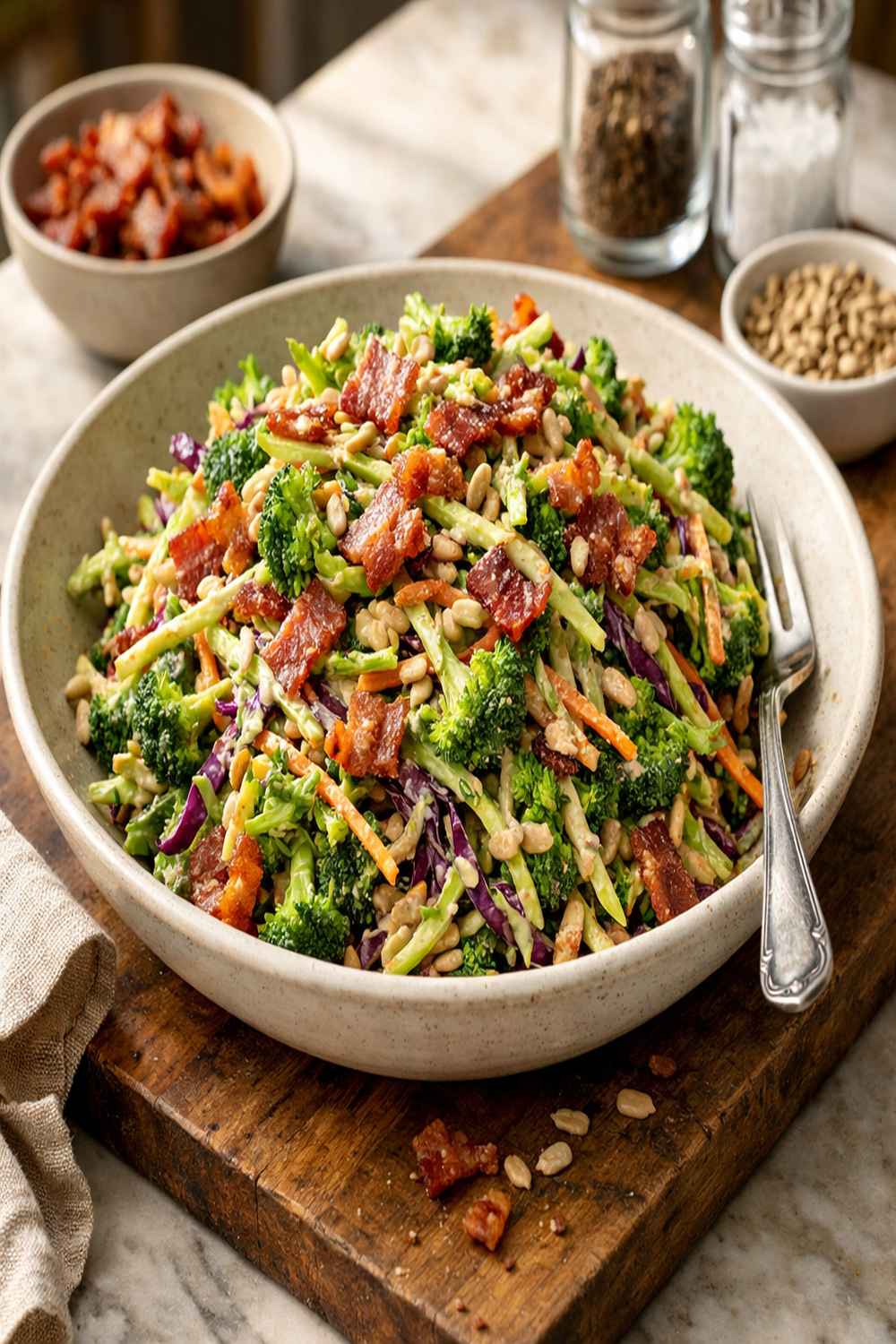
Why Kids Love This Version
From a nutritional standpoint, broccoli delivers glucosinolates and sulforaphane—compounds that support cellular health and detoxification. But let’s be real: kids don’t care about that. They care about whether it tastes good and feels fun to eat. This recipe hits both marks because it addresses the textures and flavors children naturally gravitate toward.
- The Crunch Factor – Raw broccoli florets stay crisp even after the dressing sits. Kids love the textural contrast against creamy sauce. No mushy vegetables means no complaints.
- Bacon and Cheese Are Non-Negotiable – These aren’t hidden ingredients; they’re the stars. Kids recognize these flavors immediately, which means they feel safe trying the whole dish.
- Sweet and Savory Balance – Dried cranberries and a touch of sugar make this feel almost dessert-adjacent without being over the top. It’s familiar comfort food territory.
- Sunflower Seeds Add Texture Variety – Seeds give kids another crunchy element to enjoy, plus they’re fun to pick out and eat separately if needed.
- The Dressing Brings Everything Together – Creamy, tangy mayo and sour cream coating makes kids feel like they’re eating something indulgent, not something healthy.
How to Get Kids Involved in Making This
Cooking together isn’t just about the final dish—it’s about building food confidence and creating memories. I structure each step so every age group has a real job, not just busywork.
- Ages 3-5: The Floret Pullers – Give toddlers pre-cut broccoli crowns and let them pull florets apart with their hands. It’s tactile, safe, and they feel like they’re really contributing. Supervision required, obviously.
- Ages 6-9: The Ingredient Gatherers and Tossers – School-age kids can measure out cranberries, count out sunflower seeds, and crumble bacon under your watchful eye. They love the measuring cup work. Most importantly, let them toss the final salad together. Seeing their hands create the finished dish builds ownership.
- Ages 10+: The Dressing Engineers – Older kids can whisk the dressing components together in the bowl. This is where they learn actual technique: how to emulsify mayo, how sugar dissolves, why vinegar matters. It’s real cooking, not play cooking.
The Ingredients – Hidden Nutrition, Visible Deliciousness
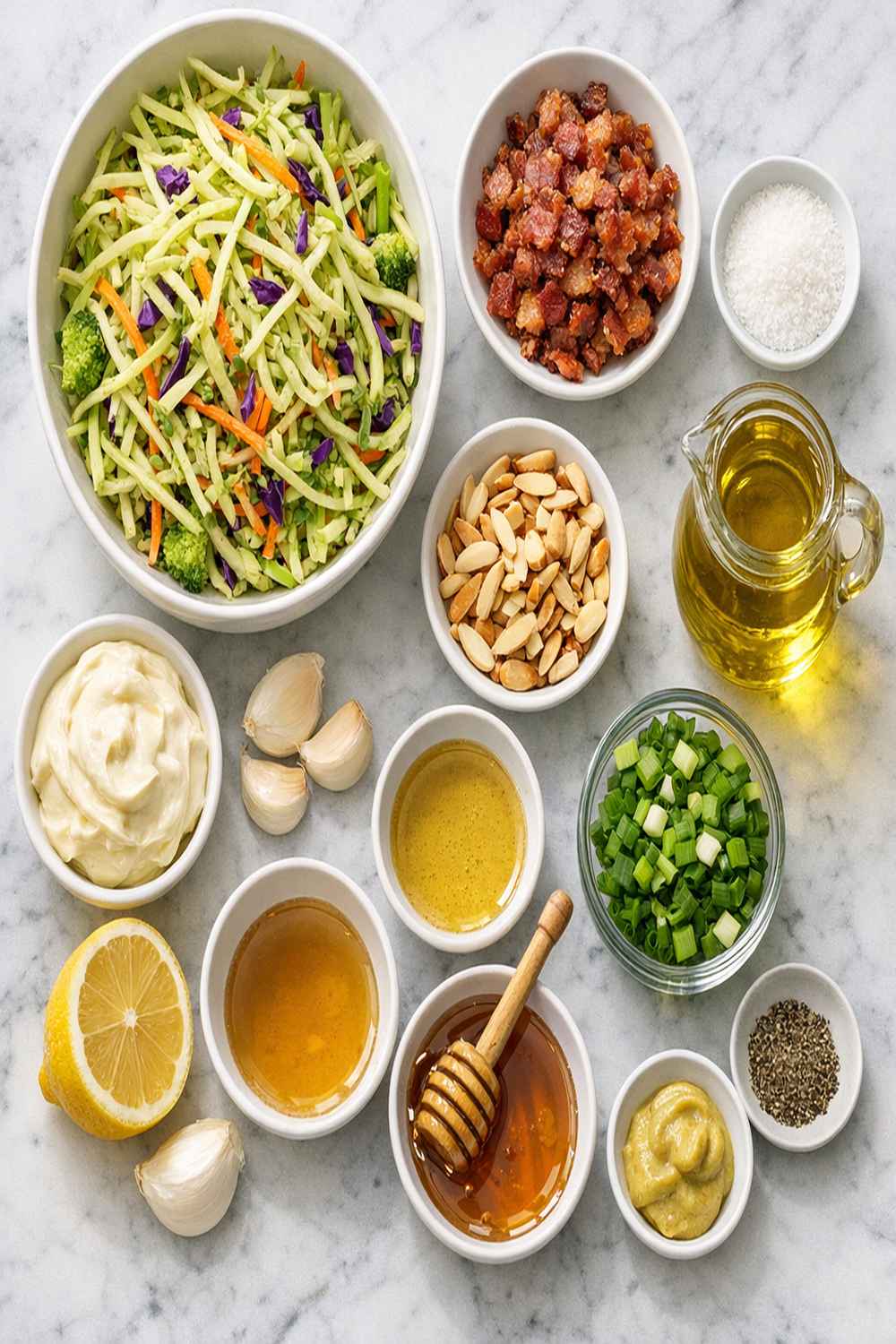
I’ve arranged these ingredients strategically. Broccoli is your base—packed with vitamin C for immune health and fiber for digestion. The creamy dressing coats everything so it stays fresh longer in the fridge. That bacon fat in the dressing? It helps absorb fat-soluble vitamins A and K from the broccoli. This is nutrition science meeting culinary sense.
- ¾ cup crispy bacon pieces (about 60 grams—I cook mine in a skillet until super crispy, then crumble it by hand for better texture than pre-packaged)
- ¼ cup full-fat sour cream (about 70 grams—this adds tang and reduces the mayo density for a lighter-feeling dressing)
- ¼ teaspoon freshly cracked black pepper (adds subtle heat and complexity)
- ¼ teaspoon fine sea salt (enhances all flavors without making anything taste obviously salty)
- ⅓ cup red onion, finely diced (about 50 grams—raw onion gives a peppery bite that balances the sweetness, and red varieties are milder for sensitive palates)
- 2 tablespoons granulated sugar (about 25 grams—a small amount balances the vinegar’s tang and emphasizes the cranberry sweetness)
- ⅔ cup dried cranberries (about 85 grams—these add natural sweetness and chewiness without requiring added sugar in the fruit itself)
- 1½ tablespoons white wine vinegar (about 20 grams—the acidity brightens flavors and helps preserve freshness during storage)
- 1 cup sharp cheddar cheese (about 115 grams—I cut mine into small chunks rather than using pre-shredded, which contains anti-caking agents that affect the creamy texture)
- 5 to 6 cups fresh broccoli florets (about 1 pound or 450 grams—roughly 2½ medium heads, cut into bite-sized pieces so kids can manage them)
- ½ cup raw or lightly salted sunflower seeds (about 60 grams—packed with vitamin E and selenium for skin and immune support)
- ¾ cup olive oil mayonnaise (about 175 grams—I specifically choose olive oil mayo because it provides heart-healthy monounsaturated fats alongside the creamy base)
Makes 6 servings as a side dish, or 4 servings as a main course salad.
How to Make Broccoli Slaw With Bacon Recipe for the Whole Family
This isn’t complicated, but it is strategic. The order matters because you’re building flavor layers and maintaining textures. Frame this as a family project, not a chore. Put on music. Assign roles. Make it feel special.
Step 1: Prep Your Broccoli and Gather Your Players
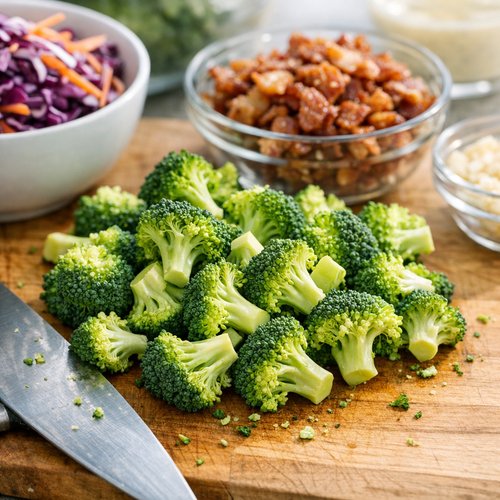
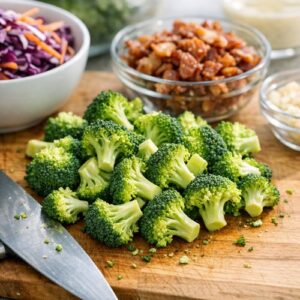
Start by cutting your broccoli into florets about the size of a grape or cherry tomato. These pieces are small enough that kids can manage them in one bite, but large enough that they don’t feel mushy when the dressing sits. Always rinse your broccoli under cool running water and pat completely dry with paper towels—excess moisture dilutes your dressing. While you’re handling the broccoli, assign kids their roles. Who’s crumbling the bacon? Who’s measuring cranberries? Who’s going to whisk the dressing? Involvement starts now.
Step 2: Cook Your Bacon Until It’s Shattering Crispy
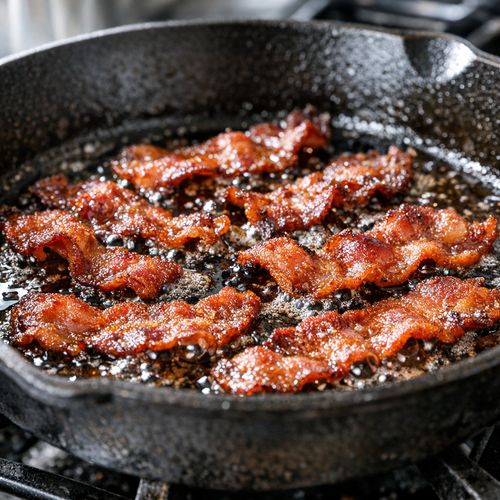
I cook bacon in a cast iron skillet over medium-high heat, letting it render slowly so it stays crunchy. Never leave hot oil unattended with kids around. When bacon is done—and I mean properly crispy, not chewy—place it on paper towels to drain. Once it cools completely, crumble it by hand. This matters: hand-crumbled bacon has irregular pieces that kids find more interesting than uniform bits. Plus, they can see the quality. About 6 to 8 slices of bacon gives you the right amount.
Step 3: Build Your Vegetable Base in a Large Bowl
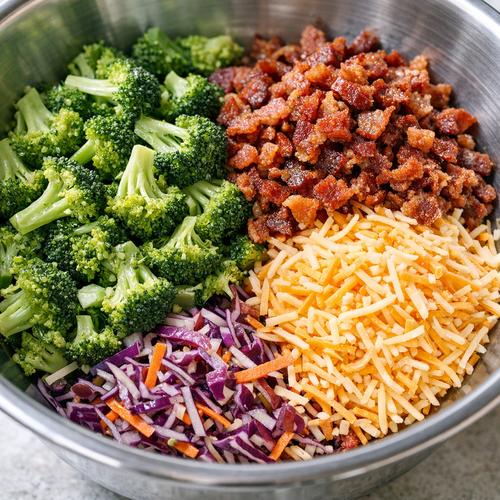
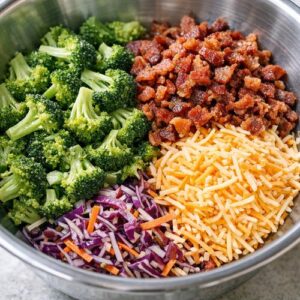
In a large mixing bowl—I use a stainless steel one so kids can see the layers forming—combine your prepared broccoli florets, crumbled bacon, cheese chunks, dried cranberries, sunflower seeds, and finely diced red onion. This is where school-age kids should do the actual assembly. Let them layer each ingredient and stir it around. This tactile step builds excitement. You’re not just mixing a salad; you’re creating something together.
Step 4: Whisk Your Dressing Until It’s Smooth and Cohesive
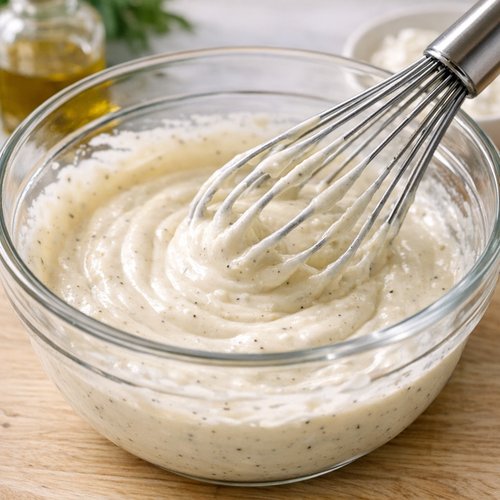
In a separate small bowl—a glass or ceramic one works best so you can see what’s happening—combine your olive oil mayonnaise, sour cream, white wine vinegar, sugar, salt, and pepper. Here’s where older kids learn actual technique. Have them whisk slowly at first, then increase speed slightly. The goal is a smooth, pourable dressing with no lumps. It should fall from a spoon in ribbons, not plop in chunks. This usually takes about one minute of whisking. If it’s too thick, whisk in a tablespoon of water at a time until you reach the right consistency.
Expert’s Nutritional Tip: The emulsification happening in your bowl is where science meets flavor. The lecithin in egg yolks (in mayo) allows fat and water-based ingredients to stay suspended together. That’s why your dressing coats evenly instead of separating. This is also why whisking speed matters—you’re creating a stable emulsion that keeps vegetables fresher longer in storage.
Step 5: Combine and Refrigerate for Maximum Flavor
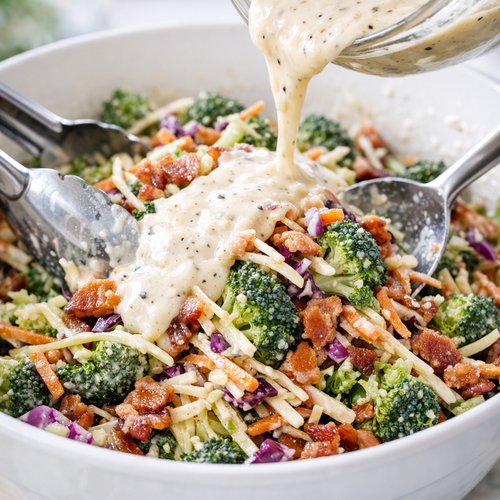
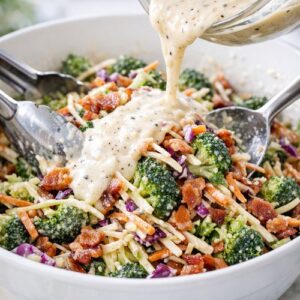
Pour your whisked dressing directly over your broccoli mixture. Using a large spoon or salad tongs, toss everything together thoroughly. I mean really toss it—make sure every single floret gets coated. This is another great job for kids. Let them toss the salad for a full minute, making sure nothing’s hiding at the bottom of the bowl untouched by dressing.
Here’s my professional secret: don’t serve it immediately. Refrigerate this for at least one hour, but ideally 2 to 4 hours. This resting time allows flavors to meld and the dressing to fully coat each vegetable. Before serving, give it one more thorough toss since some liquid settles at the bottom. The texture stays crisp because your broccoli was raw to begin with—the dressing doesn’t soften it the way it would with cooked vegetables.
Customization Station: Let Everyone Build Their Own
For families with extremely picky eaters, I set up a customization approach. Prepare each component separately and let kids create their own version. This gives them agency, which dramatically increases the odds they’ll actually eat it.
- The Broccoli Base – Set aside plain broccoli florets so kids can decide how much dressing they want. Some children prefer it less creamy; others want maximum coating.
- The Mix-Ins Bar – Offer bacon, cheese, cranberries, and seeds in separate small bowls. Kids who don’t like cranberries can skip them. Kids who want double bacon can load up. This approach respects preferences without creating separate meals.
- The Dressing Station – Make dressing available separately so kids can control how much they add. A little goes a long way.
Scaling for Different Family Sizes
This recipe is beautifully flexible. The ratio of vegetables to dressing stays consistent, which means you can scale up or down easily.
For a family of 2 to 3: Cut everything in half. You’ll need about 2½ cups broccoli, 3 tablespoons bacon, ½ cup cheese, 3 tablespoons cranberries, 3 tablespoons sunflower seeds, 2 tablespoons red onion, 6 tablespoons mayo, 2 tablespoons sour cream, ¾ tablespoon vinegar, 1 tablespoon sugar, and a pinch each of salt and pepper. This makes about 2 to 3 servings.
For a family of 4 to 5: Use the recipe as written, which makes 4 generous servings or 6 smaller sides.
For a family of 6 to 8 or meal prep quantity: Double everything. You’ll need 10 to 12 cups broccoli, 1 cup bacon, 2 cups cheese, 1⅓ cups cranberries, 1 cup sunflower seeds, ⅔ cup red onion, 1½ cups mayo, ½ cup sour cream, 3 tablespoons vinegar, 4 tablespoons sugar, ½ teaspoon salt, and ½ teaspoon pepper. This makes about 8 to 12 servings depending on portion size.
Pro tip: If you’re doubling or tripling, whisk the dressing in a larger bowl and consider splitting it into two bowls before adding vegetables. It’s easier to toss thoroughly when you’re not dealing with an enormous batch.
Can I Store Broccoli Slaw With Bacon Recipe?
Absolutely, and it actually tastes better the next day. From a food safety perspective, this stays fresh in the refrigerator for 3 to 4 days maximum. The broccoli stays crisp because it was raw, not cooked. The dressing protects the other ingredients from oxidation and moisture loss.
Storage method: Transfer to an airtight glass container or a glass bowl covered tightly with plastic wrap. Store in the coldest part of your fridge, usually the back of the lower shelf.
Lunchbox strategy: Pack it in a leak-proof container. This slaw doesn’t get soggy the way lettuce-based salads do. It’s brilliant for school lunches, office lunches, or picnics. Pack it cold and it stays cold for about 3 to 4 hours without refrigeration, making it perfect for day trips with kids.
Reheating: You don’t need to. This is delicious cold straight from the fridge. However, if you prefer room temperature, let it sit out for 15 to 20 minutes before serving.
Make-Ahead Guide: You can prep components 1 day ahead. Store chopped broccoli, cooked bacon, cheese, cranberries, sunflower seeds, and diced onion in separate containers. Whisk your dressing in a separate container. Assemble everything in the morning or whenever you need it. This approach is perfect for busy families. The assembled salad is best served within 4 hours of combining, but it stays edible for up to 24 hours—flavors just become more muted.
Common Mistakes to Avoid
After years of making this in my kitchen and teaching families to prepare it, I’ve noticed patterns in what goes wrong. Here’s how to skip the learning curve:
- Wet broccoli creates a watery dressing. Pat your broccoli completely dry after rinsing. Water dilutes the creaminess. Takes 30 seconds; makes all the difference.
- Under-crisping bacon ruins the texture. Chewy bacon gets soggy in the dressing. Cook until it shatters when you crumble it. This sounds extreme but it’s the sweet spot.
- Not whisking the dressing smoothly enough. Lumpy dressing doesn’t coat evenly. Take 60 seconds to whisk properly. Small lumps of mayo don’t incorporate into vegetables well.
- Skipping the refrigeration rest. Flavors taste flat if you serve immediately. The resting time allows salt to draw out natural moisture from vegetables, which then reabsorbs the dressing. It’s the difference between good and exceptional.
Seasonal Variations
This recipe is adaptable. Here’s how I change it based on what’s available and what seasons demand:
Spring version: Swap dried cranberries for fresh chopped apples. Add fresh dill to the dressing. Use a lighter hand with sugar since you’re getting natural sweetness from the apples.
Summer version: Add fresh corn kernels (raw or lightly steamed), diced bell peppers, and fresh basil instead of dried cranberries. Keep the bacon and cheese but lighten the dressing with half the sugar amount.
Fall version: This is when the original recipe truly shines. Add toasted pumpkin seeds instead of (or alongside) sunflower seeds. Include fresh pomegranate seeds for tartness and visual appeal. Consider adding a small amount of maple syrup to the dressing instead of white sugar for deeper flavor.
Winter version: Add shredded Brussels sprouts or thinly sliced raw kale alongside the broccoli. Include dried figs or dates instead of cranberries. Add a touch of Dijon mustard to the dressing for complexity.
The Ingredients – Professional Insights on Key Players
Why I choose sharp cheddar over mild: Sharp cheddar has aged longer, developing complex flavors that stand up to the other bold ingredients in this dish. Mild cheddar gets lost. I chunk it instead of shredding because chunks don’t melt into mush; they stay distinct and satisfying to bite through.
Why bacon fat matters: I save a tablespoon of the bacon drippings when I strain my cooked bacon. This fat is pure umami—the savory taste that makes everything more delicious. If I’m adding it to the dressing, it goes in just before whisking. It coats the mayo and makes the entire dressing taste more complex.
Why sunflower seeds beat nuts: Many families avoid traditional nut-based slaws because of allergies. Sunflower seeds deliver the same nutritional profile—healthy fats, vitamin E, minerals—without the allergy risk. They’re also often cheaper and shelf-stable longer.
Nutrition Information
According to USDA nutrition databases, this broccoli slaw delivers substantial nutritional value per serving. Here’s what one serving (about 1.5 cups) provides:
- Calories: 385
- Protein: 12 grams (from bacon, cheese, and seeds—critical for growing children)
- Total fat: 28 grams (primarily from healthy sources: olive oil, seeds, and nuts-adjacent foods)
- Carbohydrates: 24 grams (mostly from vegetables and cranberries)
- Dietary fiber: 3 grams (aids digestion and keeps kids feeling full longer)
- Vitamin C: 85 milligrams (supporting immune function and collagen synthesis—essential for developing bone structure)
- Vitamin K: 102 micrograms (critical for blood clotting and bone health in growing bodies)
- Calcium: 280 milligrams (from cheese, supporting bone development)
- Iron: 2.1 milligrams (from bacon and broccoli, supporting energy and oxygen transport)
Why this matters for kids: One serving provides almost all the vitamin C a child needs daily, plus significant calcium for bones, protein for muscles, and fiber for healthy digestion. The combination of vegetables with fat-soluble vitamins (like vitamin K in broccoli) with dietary fat (from the mayo and bacon) means your child’s body can actually absorb and use these nutrients effectively. This is why we don’t serve plain steamed broccoli—the fat makes the nutrition bioavailable.
What to Serve Alongside for a Complete Family Meal
This broccoli slaw is wonderful as a side, but it can anchor a meal with the right proteins. I keep things simple so you’re not cooking multiple complicated dishes at once.
- Grilled Chicken Breast – Plain, seasoned, and sliced. The creamy broccoli slaw balances the lean protein beautifully. Kids appreciate the protein without added richness.
- Baked Sweet Potato Wedges – Toss with olive oil, salt, and paprika before roasting. The natural sweetness complements the savory slaw. Baked Potato Foil methods work perfectly for this approach.
- Hard-Boiled Eggs – Simple, portable, protein-packed. Great for lunch boxes paired with cold broccoli slaw.
- Air Fryer Proteins – Speaking of quick proteins, Air Fryer Asian Chicken takes about 12 minutes and pairs beautifully with the creamy slaw for flavor contrast.
- Brown Rice or Quinoa – A small scoop of grain makes this a complete meal with carbohydrates, protein, and vegetables.
- Whole Grain Bread or Rolls – Some kids want something to hold while they eat. A good quality roll makes this feel like a complete dinner experience.
Broccoli Slaw With Bacon Recipe

Ingredients
- ¾ cup crispy bacon pieces (about 60 grams
- ¼ cup full-fat sour cream (about 70 grams
- ¼ teaspoon freshly cracked black pepper adds subtle heat and complexity
- ¼ teaspoon fine sea salt enhances all flavors without making anything taste obviously salty
- ⅓ cup red onion, finely diced (about 50 grams
- 2 tablespoon granulated sugar (about 25 grams
- ⅔ cup dried cranberries (about 85 grams
- 1½ tablespoon white wine vinegar (about 20 grams
- 1 cup sharp cheddar cheese (about 115 grams
- 5 to 6 cups fresh broccoli florets (about 1 pound or 450 grams
- ½ cup raw or lightly salted sunflower seeds (about 60 grams
- ¾ cup olive oil mayonnaise (about 175 grams
Instructions
Step 1: Prep Your Broccoli and Gather Your Players
- Start by cutting your broccoli into florets about the size of a grape or cherry tomato. These pieces are small enough that kids can manage them in one bite, but large enough that they don't feel mushy when the dressing sits. Always rinse your broccoli under cool running water and pat completely dry with paper towels—excess moisture dilutes your dressing. While you're handling the broccoli, assign kids their roles. Who's crumbling the bacon? Who's measuring cranberries? Who's going to whisk the dressing? Involvement starts now.
Step 2: Cook Your Bacon Until It’s Shattering Crispy
- I cook bacon in a cast iron skillet over medium-high heat, letting it render slowly so it stays crunchy. Never leave hot oil unattended with kids around. When bacon is done—and I mean properly crispy, not chewy—place it on paper towels to drain. Once it cools completely, crumble it by hand. This matters: hand-crumbled bacon has irregular pieces that kids find more interesting than uniform bits. Plus, they can see the quality. About 6 to 8 slices of bacon gives you the right amount.

Step 3: Build Your Vegetable Base in a Large Bowl
- In a large mixing bowl—I use a stainless steel one so kids can see the layers forming—combine your prepared broccoli florets, crumbled bacon, cheese chunks, dried cranberries, sunflower seeds, and finely diced red onion. This is where school-age kids should do the actual assembly. Let them layer each ingredient and stir it around. This tactile step builds excitement. You're not just mixing a salad; you're creating something together.
Step 4: Whisk Your Dressing Until It’s Smooth and Cohesive
- In a separate small bowl—a glass or ceramic one works best so you can see what's happening—combine your olive oil mayonnaise, sour cream, white wine vinegar, sugar, salt, and pepper. Here's where older kids learn actual technique. Have them whisk slowly at first, then increase speed slightly. The goal is a smooth, pourable dressing with no lumps. It should fall from a spoon in ribbons, not plop in chunks. This usually takes about one minute of whisking. If it's too thick, whisk in a tablespoon of water at a time until you reach the right consistency. Expert's Nutritional Tip: The emulsification happening in your bowl is where science meets flavor. The lecithin in egg yolks (in mayo) allows fat and water-based ingredients to stay suspended together. That's why your dressing coats evenly instead of separating. This is also why whisking speed matters—you're creating a stable emulsion that keeps vegetables fresher longer in storage.

Step 5: Combine and Refrigerate for Maximum Flavor
- Pour your whisked dressing directly over your broccoli mixture. Using a large spoon or salad tongs, toss everything together thoroughly. I mean really toss it—make sure every single floret gets coated. This is another great job for kids. Let them toss the salad for a full minute, making sure nothing's hiding at the bottom of the bowl untouched by dressing. Here's my professional secret: don't serve it immediately. Refrigerate this for at least one hour, but ideally 2 to 4 hours. This resting time allows flavors to meld and the dressing to fully coat each vegetable. Before serving, give it one more thorough toss since some liquid settles at the bottom. The texture stays crisp because your broccoli was raw to begin with—the dressing doesn't soften it the way it would with cooked vegetables.
Notes
Nutrition
FAQs
Can I Make This Slaw Without Bacon for My Vegetarian Family?
Absolutely. You’ll lose the smoky depth, so I recommend adding a teaspoon of smoked paprika to the dressing instead. You might also increase the sunflower seeds to ¾ cup for more textural interest and healthy fats. Tempeh bacon is a vegetarian option that actually crisps up nicely, or coconut bacon (yes, it’s a thing) adds interesting flavor. The nutritional profile changes without meat, so you might want to add a tablespoon of hemp seeds or chopped walnuts to maintain protein content.
What if My Kid Only Eats Half the Vegetables?
Win. Seriously. If they’re eating broccoli at all, you’re ahead. Start with smaller portions and let them ask for more. Never force the “clean your plate” mentality with vegetables. This slaw is designed to be delicious, not a punishment. If they’re picking out just the bacon and cheese, they’re still eating broccoli adjacent to those foods, which trains their palate over time. Food preferences develop through repeated exposure, not force.
Can I Use Pre-Cut Broccoli From the Grocery Store?
Yes, but quality varies significantly. Some pre-cut broccoli is fresher and crisper; some is already drying out. If you use it, give it a good rinse and pat-dry ritual. You might need slightly less because pre-cut often has more moisture loss. Whole broccoli crowns are usually cheaper and fresher, but I understand convenience matters with kids and schedules. Do what works for your family.
How Do I Prevent This From Getting Watery in the Fridge?
Three factors: dry broccoli, airtight container, and proper storage location. Pat your broccoli aggressively. Store in the coldest part of your fridge, not on the door where temperature fluctuates. Don’t add extra dressing thinking it’ll stay creamy—consistency is part of the appeal. If liquid pools on the bottom after a day, just toss again and drain off excess before serving.
Is This Safe to Pack for School Lunch?
Completely safe. It doesn’t require heating, stays fresh at room temperature for 3 to 4 hours, and travels well in a leak-proof container. Pack it cold, keep it sealed until eating time, and you’re good. No refrigeration in the lunchbox needed for a typical school day. This actually makes it safer than foods that sit in warm containers all morning.
More Family-Friendly Recipes
- Air Fry Steak Bites – Quick protein that kids enjoy with minimal cooking equipment
- Barbecue Chicken Thigh Recipe – Tender, flavorful, and naturally kid-approved
- Baked Cod Tacos – Light seafood option that doesn’t taste “fishy”
Final Thoughts: Building Food Memories, One Crunchy Bite at a Time
This recipe represents something bigger than just a side dish. It’s proof that healthy eating doesn’t require sacrifice. It’s evidence that kids will choose broccoli when it’s prepared with respect and flavor. It’s a moment to cook together, to laugh when bacon splatters, to let younger kids measure ingredients and feel like they’re genuinely contributing to family meals.
Every time you make this broccoli slaw, you’re teaching your children that vegetables are delicious. You’re showing them that food made with care tastes better. You’re building food memories that’ll last longer than any screen time ever could. And honestly? That’s worth way more than perfect nutrition science alone.
So grab some broccoli. Crisp up that bacon. Get everyone involved. Refrigerate it while you catch up on your day. Then sit down together and watch your kids actually ask for seconds of vegetables. That’s the real victory right there.
More Recipes You Will Love
- This Homemade Juan Recipe – Worth adding to your recipe collection.
- This Homemade Zaxby’S Recipe – Worth adding to your recipe collection.
- This Homemade Zaxby’S Recipe – Worth adding to your recipe collection.
- This Homemade Texas Recipe – Worth adding to your recipe collection.
Celebrate your flavorful adventure!