
Picture this: It’s a sunny weekend afternoon, and you’ve got your friends over for a casual outdoor gathering. The grilling is underway with burgers sizzling, and you’re just about to pop some salmon in the oven. It’s the perfect dish to pair with a vibrant, refreshing salad or a side of roasted vegetables. Salmon is light, flavorful, and packs a punch of nutrients, making it an ideal choice for your guests.
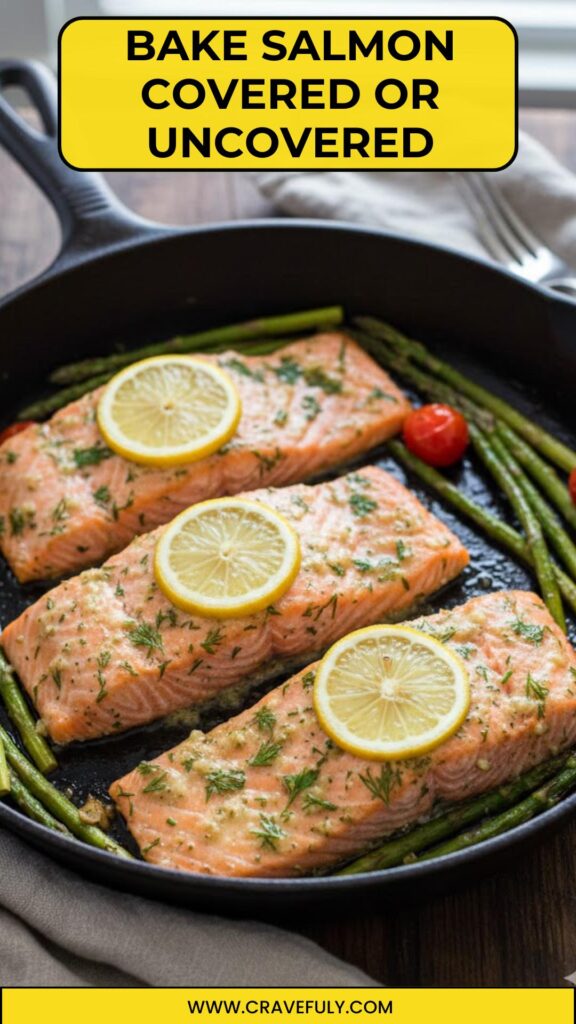
Baking salmon can be a delightful experience, especially if you’re unsure about how to keep it moist and full of flavor. But should you cover it with foil or let it bake uncovered? Both methods can yield tasty results, so let’s explore the ins and outs of baking salmon. With a bit of preparation and a delicious marinade, you’ll be able to serve up an impressive dish that even the pickiest eaters will love.
You Might Also Like These Recipes!
24 Hour sous vide short ribs Recipe
2 lb Pork Shoulder Instant Pot Recipe
Quick Honey Garlic Shrimp and Broccoli Recipe
What is Bake Salmon Covered or Uncovered?
Baking salmon involves cooking the fish in an oven, where it can achieve that tender, flaky goodness we all crave. Whether you bake it covered with foil to retain moisture or leave it uncovered for crisping, both methods allow for flexibility based on your kitchen game plan. The real fun comes in pairing fresh herbs and spices in a zingy marinade that takes simple salmon and elevates it to stellar status.
The Ingredients

To create a mouthwatering baked salmon dish, gather the following:
– 1 1/2 lb salmon fillet, cut into 4 pieces
– 2 Tbsp fresh parsley, finely chopped
– 2 Tbsp vegetable oil (or opt for an extra light olive oil)
– 2 Tbsp fresh lemon juice
– 3 garlic cloves, minced or grated
– 1/2 Tbsp Dijon mustard
– 1/2 tsp fine sea salt
– 1/8 tsp freshly cracked black pepper
– 1/2 lemon, sliced into four rings for garnish
– 1/2 tsp red pepper flakes for a bit of heat (optional)
– 1 Tbsp capers, rinsed and drained (optional, but adds a savory punch)
How to Make Bake Salmon Covered or Uncovered?
Let’s dive into the steps. Baking salmon is straightforward, but using the right technique ensures you get the best flavor and texture. Whether you choose to cover your salmon to keep it juicy or leave it uncovered for a nice crust will depend on your preferences. But no matter what, the marinade brings all the pieces together. Let’s get started!
Step-by-Step Directions
Step 1: Prepare Your Oven and Baking Sheet
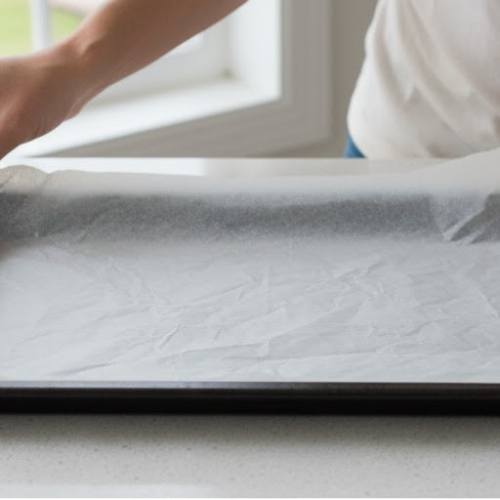
Preheat your oven to 450°F (232°C). This high cooking temperature is what helps create that lovely, flaky salmon. While the oven warms up, line a rimmed baking sheet with a silicone liner, parchment paper, or aluminum foil. This makes clean-up a breeze and prevents sticking, which is essential for salmon.
Step 2: Position the Salmon Fillets
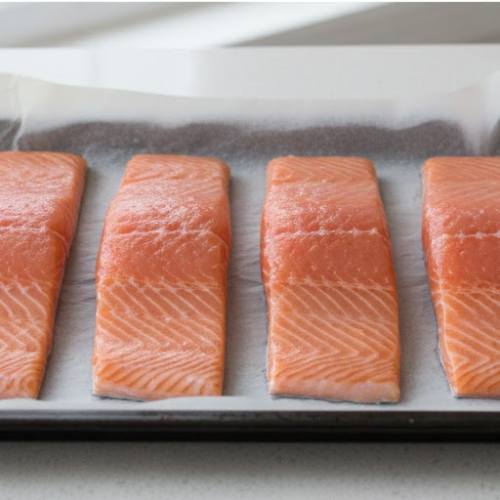
Next, arrange your salmon fillets on the prepared baking sheet with the skin-side down. If your salmon has skin, it acts as a natural barrier that helps keep the fish moist while it cooks. Plus, it’s fun to get a little fancy and showcase those lovely pieces of filleted fish!
Step 3: Assemble the Marinade

In a small mixing bowl, combine your marinade ingredients. Toss in the fresh parsley, minced garlic, vegetable oil, lemon juice, Dijon mustard, sea salt, and cracked black pepper. If you’re feeling adventurous, add in the red pepper flakes for some heat and capers for an extra punch of flavor. Mix everything together well to create a unified marinade.
Step 4: Apply the Marinade
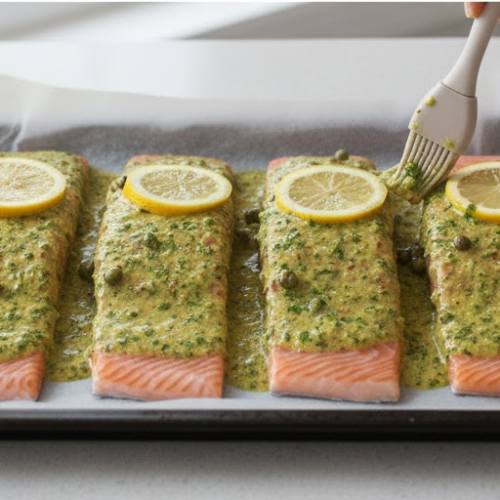
Generously brush the marinade over the top and sides of the salmon fillets. Don’t be shy here; this marinade is where the flavor is at! Make sure each fillet is well coated. To finish, place a lemon slice on top of each piece. It not only looks gorgeous but adds a fresh citrus element during cooking.
Step 5: Bake in the Oven
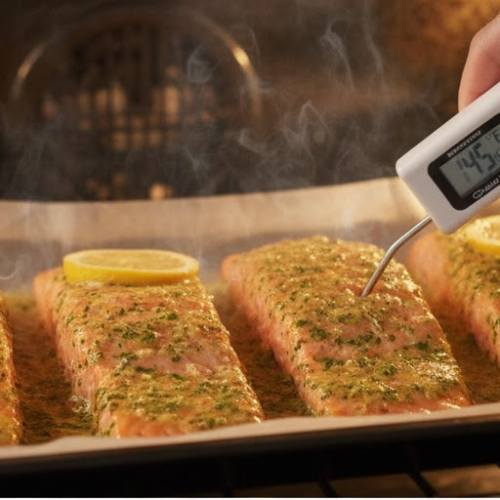
Time to pop those salmon fillets into the oven! Bake uncovered for about 12 to 15 minutes. You want the salmon to be just cooked through, flaky, and reach an internal temperature of 145°F (63°C) at its thickest point—trust that instant-read thermometer to guide you here. Keep an eye on it; overcooked salmon can be a bit dry, and nobody wants that!
Notes
– Check for freshness: Always choose high-quality, fresh salmon for the best results.
– Don’t skip the marination: If you can, let the salmon marinate for at least 15 minutes before baking. This boosts the flavor!
– Keep an eye on the clock: Every oven is different. Start checking your salmon at the 10-minute mark to avoid overcooking.
– Pair with sides: Think about side dishes that complement the salmon, like a fresh salad, rice pilaf, or grilled veggies.
– Leftovers make great meals: Use any leftovers for salads or sandwiches the next day!
Storage Tips
To keep your baked salmon fresh, allow it to cool completely before transferring it to an airtight container. It can stay in the fridge for up to 3 days. If you’re thinking long-term, you can also freeze it. Just wrap it tightly in plastic wrap and then in aluminum foil. When ready to enjoy, simply thaw it overnight in the fridge before reheating.
Nutrition Information
Baked salmon is packed with heart-healthy omega-3 fatty acids, protein, and essential vitamins like B12 and D. A serving of this delightful dish can provide around 350 calories, making it a wholesome addition to any meal plan. Plus, it’s low in carbohydrates, making it suitable for many diets.
Serving Suggestions
To elevate your baked salmon experience, consider these five ideas:
1. With a Quinoa Salad: A lemon-herb quinoa salad pairs beautifully with the salmon, adding texture and nutrition.
2. On a Bed of Spinach: Fresh spinach lightly wilted with garlic is a nutritious side that complements the flavors.
3. Alongside Roasted Asparagus: The slight char of roasted asparagus elevates the meal and adds a pop of color.
4. With Basmati Rice: Fluffy basmati rice serves as a comforting side that absorbs all the delicious citrus notes from the salmon.
5. Accompanied by Tartar Sauce: A quick homemade tartar sauce with Greek yogurt adds a creamy contrast to the dish.
What Other Substitutes Can I Use in Bake Salmon Covered or Uncovered?
If you’re looking to switch things up with your baked salmon dish, consider these alternatives:
1. Trout: This fish offers a similar flavor profile and cooks in the same way.
2. Tilapia: A versatile and affordable option, tilapia has a mild flavor that pairs well with marinades.
3. Mahi-Mahi: This fish is perfect for a tropical twist, with a slightly firmer texture.
4. Chickpeas: For a plant-based alternative, roasted chickpeas can complement the same marinade.
5. Chicken Breasts: While not fish, they can be cooked in the same manner. Just watch the cooking time, as they generally require more time.
Bake Salmon Covered or Uncovered

Equipment
- Rimmed baking sheet
- Mixing bowl
- silicone liner or parchment paper
- instant-read thermometer
Ingredients
- To create a mouthwatering baked salmon dish gather the following:
- – 1 1/2 lb salmon fillet cut into 4 pieces
- – 2 Tbsp fresh parsley finely chopped
- – 2 Tbsp vegetable oil or opt for an extra light olive oil
- – 2 Tbsp fresh lemon juice
- – 3 garlic cloves minced or grated
- – 1/2 Tbsp Dijon mustard
- – 1/2 tsp fine sea salt
- – 1/8 tsp freshly cracked black pepper
- – 1/2 lemon sliced into four rings for garnish
- – 1/2 tsp red pepper flakes for a bit of heat optional
- – 1 Tbsp capers rinsed and drained (optional, but adds a savory punch)
Instructions
Step 1: Prepare Your Oven and Baking Sheet
- Preheat your oven to 450°F (232°C). This high cooking temperature is what helps create that lovely, flaky salmon. While the oven warms up, line a rimmed baking sheet with a silicone liner, parchment paper, or aluminum foil. This makes clean-up a breeze and prevents sticking, which is essential for salmon.
Step 2: Position the Salmon Fillets
- Next, arrange your salmon fillets on the prepared baking sheet with the skin-side down. If your salmon has skin, it acts as a natural barrier that helps keep the fish moist while it cooks. Plus, it’s fun to get a little fancy and showcase those lovely pieces of filleted fish!
Step 3: Assemble the Marinade
- In a small mixing bowl, combine your marinade ingredients. Toss in the fresh parsley, minced garlic, vegetable oil, lemon juice, Dijon mustard, sea salt, and cracked black pepper. If you’re feeling adventurous, add in the red pepper flakes for some heat and capers for an extra punch of flavor. Mix everything together well to create a unified marinade.
Step 4: Apply the Marinade
- Generously brush the marinade over the top and sides of the salmon fillets. Don’t be shy here; this marinade is where the flavor is at! Make sure each fillet is well coated. To finish, place a lemon slice on top of each piece. It not only looks gorgeous but adds a fresh citrus element during cooking.
Step 5: Bake in the Oven
- Time to pop those salmon fillets into the oven! Bake uncovered for about 12 to 15 minutes. You want the salmon to be just cooked through, flaky, and reach an internal temperature of 145°F (63°C) at its thickest point—trust that instant-read thermometer to guide you here. Keep an eye on it; overcooked salmon can be a bit dry, and nobody wants that!
Notes
Nutrition
FAQs
1. Should I bake salmon covered or uncovered?
It depends on your desired outcome. Covering the salmon will steam it, keeping it moist, while baking uncovered will create a firmer texture and allow for better caramelization.
2. How can I tell when salmon is done cooking?
The best way to determine doneness is by checking the internal temperature, which should reach 145°F (63°C) at the thickest part. Another indicator is when the fish flakes easily with a fork.
3. Can I use frozen salmon for this recipe?
Yes! Just make sure to thaw your salmon completely in the fridge before cooking. You may need to adjust the cooking time slightly.
4. What if I don’t have Dijon mustard?
You can substitute it with whole-grain mustard or even a bit of yellow mustard in a pinch. The taste will vary slightly, but it will still add flavor.
5. Can I add other vegetables to the baking sheet?
Absolutely! Vegetables like zucchini, cherry tomatoes, or bell peppers make great additions. Just toss them lightly in oil and season them similarly to the salmon.
Conclusion
Baking salmon at home should feel accessible and enjoyable for everyone, regardless of your culinary experience. Choosing to bake it covered or uncovered comes down to your personal preference in texture and flavor. With this easy recipe and your newfound confidence, you’ll be ready to impress at your next meal or gathering. Crank up the oven and let that salmon bake to perfection. Happy cooking!