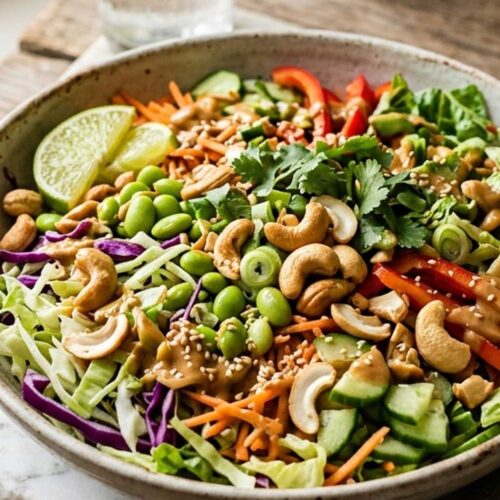
Cashew Crunch Salad Recipe

Learning to make a Cashew Crunch Salad isn't just about putting together a bowl of vegetables—it's about mastering the technique that unlocks dozens of other recipes. I'm talking about the art of building a balanced dressing that emulsifies without cream, toasting nuts to unlock their flavor potential, and layering textures so every bite sings. This is the foundation for composed salads, grain bowls, and even protein plates that taste like they came straight from a New York restaurant kitchen. Once you nail this technique, you'll never struggle with bland salads again. Want to turn other quick meals into showstoppers? These skills translate directly into creations like this simple cake, where the same nut-based flavor philosophy shines through.
Ingredients
For the Spiced Cashews
- 1.5 cup raw cashews whole, unsalted, and untoasted so you control the cooking process
- 1 tablespoon chili crunch (the Momofuku brand delivers consistent heat and texture, but any quality version works
- ½ teaspoon coarse sea salt seasoning at the end prevents salt from drawing out moisture during toasting
- 2 teaspoon raw honey acts as both sweetener and binding agent when heated with fats
For the Emulsified Dressing
- ⅓ cup creamy all-natural cashew butter the protein and fat create emulsification without dairy or eggs
- 1.5 tablespoon fresh lime juice brightness and additional acid to balance umami
- ¼ teaspoon fish sauce (whisper of umami
- 2 teaspoon soy sauce umami depth that makes the whole dressing taste more complex
- 1.5 teaspoon grated fresh ginger fresh captures volatile oils that powdered ginger can't match
- 2.5 tablespoon rice vinegar mild acidity that doesn't overpower like wine vinegar might
- 2 tablespoon filtered water allows you to adjust consistency while maintaining flavor intensity
- 1 teaspoon garlic chili sauce concentrated flavor saves you from adding bulk ingredients
For the Composed Salad Base
- 1 teaspoon lime zest brightness without additional liquid
- 2 cup sliced sugar snap peas sweet and tender, raw texture adds freshness
- 2 cup thinly sliced English cucumbers in half-moon cuts water content and crunch without bitterness
- 2 cup julienned carrots sturdy vegetable that won't wilt, provides natural sweetness
- 1 tablespoon toasted sesame seeds (adds nuttiness and visual interest
- 3 green onions, chopped (layered onion flavor
- ½ cup fresh cilantro leaves, roughly chopped herbal brightness that's essential, not optional
- 2 cup shelled edamame adds plant-based protein, fiber, and firm texture contrast
- ¼ cup fresh mint leaves, roughly chopped cooling counterpoint to the spice
- ½ cup thinly sliced red onion sharp bite that wakes up every other ingredient
- ½ teaspoon fine sea salt final seasoning to tie everything together
- 2 cup cooked white quinoa complete protein that keeps the bowl nutritionally balanced
Instructions
Step 1: Toast the Cashews to Unlock Their Full Flavor Potential
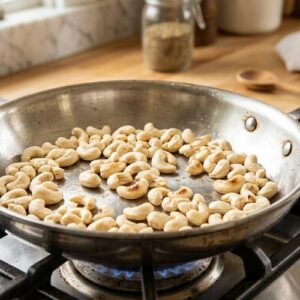
- Place a large skillet (I use a 12-inch stainless steel pan) over medium heat. Let it preheat for about 90 seconds—you want it hot enough that a drop of water sizzles immediately, but not so hot that it smokes. This matters because medium heat gives you control; high heat burns before you realize it's happening. Add your 1.5 cups of raw cashews to the dry pan. Don't add oil. This is key. We're not deep-frying; we're releasing the cashews' own oils through gentle heat. Stir immediately and continuously. You'll hear a subtle crackling sound within 30 seconds. This is the beginning of the Maillard reaction—the chemical transformation that creates deeper flavor. Watch for the cashews to shift from pale cream to light golden. This takes about 2 minutes. They should smell toasty and warm, like fresh-roasted nuts, not burnt or acrid. When the cashews are just turning golden—and I mean just—add your chili crunch and honey simultaneously. The moisture in the honey will create a moment of steam; that's normal and actually helpful. Toss everything together immediately. This is the moment where the spiced oil coats the nuts, and the heat volatilizes the chile compounds, making them taste more vibrant. Cook for another 2 minutes, stirring constantly. The mixture should look glossy and smell deeply aromatic—spicy, sweet, and nutty all at once. Transfer the cashews to a clean plate to cool. Spread them out in a single layer so they cool evenly and don't continue cooking from residual heat. Season with the ½ teaspoon coarse sea salt while they're still warm (salt sticks better to warm surfaces). Let them rest while you build the dressing.
Step 2: Build the Emulsified Dressing Through Whisking
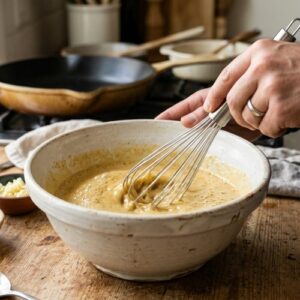
- This step teaches you the physics of emulsification. Find a medium mixing bowl—not too small that you're cramped, not huge that the dressing gets lost. Add the ⅓ cup creamy cashew butter first. Yes, first. You're creating a stable base. Begin whisking the cashew butter with a wire whisk. It will look thick and almost paste-like. That's exactly right. This is the moment where patience matters. Whisk for about 30 seconds with continuous, controlled strokes. You're beginning to break down the dense nut butter and incorporate air. Now add the 2.5 tablespoons of rice vinegar—add it slowly while whisking continuously. Don't dump it all at once. Add about half, then whisk for 10-15 seconds. This is crucial. The acid is slowly hydrating the proteins in the nut butter and beginning to create an emulsion. You'll notice the mixture becoming slightly less thick, slightly lighter in color. Add the remaining vinegar and continue whisking. Follow with the 1.5 tablespoons of fresh lime juice, whisking as you pour. The dressing will continue to transform. By now it should be noticeably creamier, closer to the consistency of heavy cream. If it's still thick, this tells you the nut butter is particularly dense (oil content varies by brand), and you'll adjust in the next step. Add the 2 tablespoons of water in small pours while whisking. Water is your control mechanism here—it hydrates the emulsion without adding more fat or acid, which would destabilize the mixture. After each pour of water, you should see the dressing loosen further. You're aiming for the consistency of thin Greek yogurt or a pourable vinaigrette. Now add the umami elements: 2 teaspoons soy sauce, ¼ teaspoon fish sauce, and 1 teaspoon garlic chili sauce. Whisk for 15 seconds. These ingredients don't just add flavor; they add salt, fermented complexity, and depth that makes the dressing taste restaurant-quality. Notice how the color darkens slightly? That's umami at work. Finally, add the 1.5 teaspoons of freshly grated ginger. Ginger contains volatile oils that are most potent when freshly grated; if you used powdered ginger, you'd lose that brightness. Whisk for 10 more seconds. The dressing should smell incredible right now—spicy, gingery, deeply savory with brightness underneath. Taste a tiny spoonful on your finger. The dressing should taste bold and slightly assertive on its own—it's designed to season everything around it. If it seems flat, add another ¼ teaspoon fish sauce. If it seems too thick, add 1 more teaspoon water. Set aside while you prepare the vegetables.
Step 3: Prepare the Vegetables With Intentional Cutting
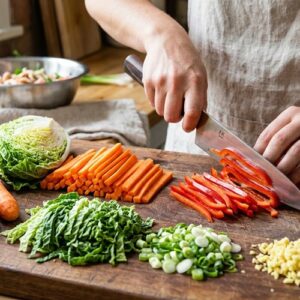
- This step is where technique shows itself in the details. Ingredient size matters. Here's what I mean: you're preparing components that will stay distinct and texturally interesting, not mushy. Shred your carrots into thin matchsticks using either a box grater, mandoline, or julienne peeler. The key is consistency—all the same thickness so they cook (or don't cook) evenly. Place them in your serving bowl. Slice your English cucumbers into thin half-moons (this cut shows you're thinking about presentation and how each vegetable will sit in your mouth). English cucumbers have fewer seeds than standard ones, so they're less watery—better for salads that need to hold texture. Add to the bowl. Slice the sugar snap peas diagonally into ½-inch pieces. The diagonal cut exposes more surface area, making them feel more delicate and refined. Add them to the bowl. Slice your red onion into thin half-moons. Use a sharp knife (a dull knife crushes onion cells, releasing bitter compounds; a sharp knife makes clean cuts). Add to the bowl. Add your 2 cups of cooked quinoa (if using uncooked quinoa, cook it first: use a 2:1 ratio of water to quinoa, bring to a boil, cover, reduce to low heat, and simmer for 15 minutes until fluffy and water is absorbed). Add your 2 cups of shelled edamame. These are your protein-rich anchors. Roughly chop your fresh cilantro and mint—don't mince them finely. Bigger pieces of fresh herb maintain their volatile oils better than tiny pieces. Add them along with your sliced green onions. The bowl should look like a garden exploded in the most intentional way possible.
Step 4: Compose the Salad and Dress Just Before Eating
- This is the critical step that separates good salads from ones that wilt and separate. Add the ½ teaspoon fine sea salt to your vegetable mixture and toss gently with two large spoons or your hands. Season first, before the dressing, so the salt has time to just barely begin hydrating the vegetables. This takes about 10 seconds. Now add your dressing. Pour it over the salad—don't be shy, you made it to coat everything. Using two spoons or your hands (I prefer clean hands for this), toss everything together with confidence and care. You're aiming to coat every component evenly without crushing the delicate vegetables or breaking apart the quinoa. This takes about 30 seconds of gentle but thorough tossing. Finally, add your cooled spiced cashews and toss one more time. The nuts should be scattered throughout, some whole and some slightly broken, creating pockets of crunch and concentrated flavor. Top with sesame seeds and lime zest if using. Serve immediately. This is important—serve immediately. The moment you dress the salad, the clock starts. You have a window of about 10-15 minutes before the moisture from the vegetables begins to soften and the leaves start to wilt. This isn't a flaw in the recipe; it's the nature of fresh vegetables.
Notes
- The dressing separates, with oil pooling on top and the mixture looking broken - you likely added liquid too quickly without whisking enough, or your nut butter was too warm. Solution: start over with room-temperature nut butter, add liquids slowly while whisking constantly, and if it breaks, transfer to a blender with an extra tablespoon of water and blend until it re-emulsifies
- The cashews taste bitter or burned - you've toasted them past the Maillard reaction into the charring zone, which creates bitter-tasting compounds. Solution: use medium heat, never leave the pan unattended, and remember that nuts continue cooking for 30 seconds after you remove them from heat; remove them slightly before they look "done"
- The salad tastes flat, like it needs salt but salt doesn't fix it - you're missing umami depth, likely from not adding enough fish sauce or soy sauce. Solution: taste the dressing before adding it to the salad; it should taste assertively savory on its own, almost like it's too much. When diluted by all the vegetables, it will be perfectly balanced
- The vegetables have wilted and the bowl looks soupy by the time you eat it - you're either dressing too far in advance or your vegetables are too wet. Solution: pat vegetables dry after washing, dress just before serving, and remember that this salad is best eaten within 10 minutes of dressing
Nutrition
Calories: 773kcalCarbohydrates: 77gProtein: 30gFat: 39gFiber: 16gSugar: 16g
Tried this recipe?Let us know how it was!